Harnessing the power of the sun has never been more accessible, affordable, or necessary. As we navigate the complexities of energy consumption in a rapidly changing world, solar energy emerges as a beacon of hope. It’s not just about reducing electricity bills; it’s about making a long-term investment in our planet’s future and our own financial stability. In this comprehensive guide, we’ll take you through the entire journey of solar panel installation, from the initial spark of interest to the tangible savings you’ll enjoy for years to come.
Introduction to Solar Energy
What is Solar Energy?
Solar energy is the power derived from the sun’s rays. When these rays hit the Earth, they produce heat and light, which can be harnessed for various uses, including electricity generation, heating, and lighting. Solar panels, also known as photovoltaic (PV) systems, convert sunlight directly into electricity through the photovoltaic effect.
Importance of Solar Energy
In an era marked by environmental concerns and a push for sustainable solutions, solar energy stands out as one of the most viable alternatives to fossil fuels. It is abundant, renewable, and produces no greenhouse gas emissions during operation. As the world grapples with climate change, the shift towards solar energy is more than just a trend—it’s a critical component of global energy strategies.
Global Trends in Solar Energy Adoption
Around the globe, solar energy adoption is accelerating. Countries like China, the United States, and Germany lead the way, heavily investing in solar infrastructure. Meanwhile, emerging economies are catching up, recognizing the dual benefits of energy security and environmental protection. With advances in technology and decreasing costs, solar energy is no longer just for the environmentally conscious—it’s for anyone looking to reduce energy costs and gain energy independence.
Why Choose Solar Energy?
Environmental Benefits
The most compelling reason to choose solar energy is its minimal environmental impact. Unlike fossil fuels, solar energy doesn’t pollute the air or water. It reduces our carbon footprint, mitigating the effects of climate change. Additionally, solar power decreases reliance on non-renewable resources, promoting a cleaner and more sustainable energy future.
Financial Savings
One of the most attractive aspects of solar energy is the potential for significant financial savings. Once installed, solar panels can dramatically reduce, or even eliminate, your electricity bills. Over time, this translates into thousands of dollars saved, making solar panels a smart long-term investment. Furthermore, as electricity prices continue to rise, those who have invested in solar power are insulated from these increases.
Energy Independence
Solar energy offers a path to energy independence. By generating your own electricity, you become less reliant on the grid and more resilient to power outages. This is especially valuable in areas prone to blackouts or where energy costs are volatile. Energy independence also contributes to national security by reducing the need for imported fuels.
Understanding Solar Panels
Types of Solar Panels
Solar panels come in various types, each with its own advantages and applications. The most common are monocrystalline, polycrystalline, and thin-film solar panels. Monocrystalline panels are known for their high efficiency and sleek appearance, making them ideal for residential use. Polycrystalline panels are less efficient but more affordable, while thin-film panels are flexible and can be used in diverse applications, though they generally have lower efficiency.
How Solar Panels Work?
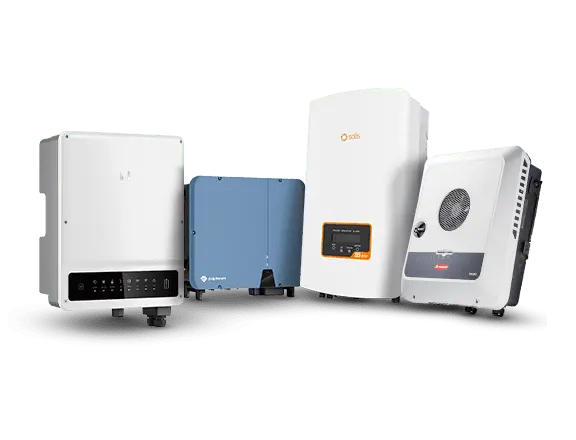
Solar panels work by converting sunlight into electricity using semiconductor materials, usually silicon. When sunlight strikes the panel, it excites electrons in the semiconductor, creating an electric current. This current is then directed to an inverter, which converts it from direct current (DC) to alternating current (AC), the type of electricity used in homes and businesses. This process is efficient, silent, and requires no moving parts, which contributes to the long lifespan of solar panels. When searching for the best solar panels australia, several brands stand out for their efficiency, durability, and warranty offerings
Efficiency and Lifespan of Solar Panels
The efficiency of a solar panel refers to the percentage of sunlight it can convert into usable electricity. Modern solar panels typically have an efficiency rating between 15% and 22%. While this may seem low, it’s important to remember that sunlight is free and abundant. As for lifespan, most solar panels are designed to last 25 to 30 years, with many continuing to produce electricity well beyond that, albeit at a slightly reduced efficiency. When considering the best solar battery, options like the Tesla Powerwall, LG Chem RESU, and SonnenBatterie are highly regarded for their efficiency and reliability.
Planning Your Solar Panel Installation
Assessing Your Energy Needs
Before installing solar panels, it’s crucial to assess your current energy consumption. This involves reviewing past electricity bills to determine your average usage. Understanding your energy needs helps in selecting the right size system. Consider future energy needs as well, such as purchasing an electric vehicle or expanding your home, which might increase your electricity consumption.
Evaluating Your Roof and Location
Your roof’s condition and orientation play a significant role in the efficiency of your solar panels. Ideally, your roof should have a south-facing slope with minimal shading from trees or other buildings. The angle of the roof also matters; a tilt between 15 and 40 degrees is generally optimal for capturing sunlight. If your roof isn’t suitable, other options include ground-mounted systems or installing solar panels on a different structure, like a garage.
Choosing the Right Solar Panel System
Selecting the right solar panel system involves considering various factors, including your energy needs, budget, and available space. You’ll need to decide between a grid-tied system, which allows you to sell excess power back to the grid, or an off-grid system, which requires battery storage. Grid-tied systems are more common and less expensive, while off-grid systems offer complete energy independence but at a higher cost. A residential solar system is an effective way to harness renewable energy for home use, significantly reducing electricity bills and carbon footprints.
Financial Considerations
Initial Costs and Budgeting
The cost of solar panel installation can vary widely depending on the size of the system, the type of panels used, and local labor costs. On average, residential solar panel systems cost between $15,000 and $25,000 before incentives. While this may seem like a significant investment, the long-term savings and potential increase in property value often justify the initial expense. It’s also worth exploring financing options such as solar loans, leases, or power purchase agreements (PPAs).
Government Incentives and Tax Credits
One of the key drivers of solar energy adoption is the availability of government incentives and tax credits. In the United States, the federal solar tax credit (ITC) allows homeowners to deduct a percentage of their solar costs from their taxes. Many states and local governments also offer additional incentives, such as rebates or property tax exemptions. These incentives can significantly reduce the upfront cost of going solar, making it more accessible for homeowners.
Know about Future of Solar Inverters