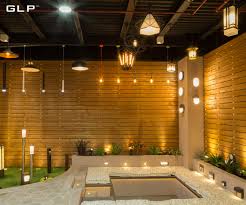
Lighting has evolved from being a necessity to becoming an integral part of interior design. Modern households and businesses no longer view lights as simple utilities but as elements that influence mood, productivity, and style. Among the most innovative options available today, Indoor LED Lighting stands out for its adaptability, efficiency, and aesthetic value. Alongside this, the growing popularity of LED Lights in general showcases a shift toward smarter, sustainable living solutions.
The Evolution of Indoor Lighting
In the past, incandescent bulbs and fluorescent tubes dominated households. While they provided basic illumination, their limitations in energy efficiency and lifespan made them less desirable over time. The arrival of Indoor LED Lighting completely changed the landscape. With energy savings, flexible designs, and advanced features, LEDs are now essential in modern interior design strategies.
Why Indoor LED Lighting is Essential for Modern Homes
The beauty of Indoor LED Lighting lies in its dual ability to be functional and decorative. A well-designed lighting plan can turn ordinary spaces into welcoming, sophisticated environments. Living rooms, kitchens, offices, and bedrooms all benefit from LED integration.
Enhancing Mood and Atmosphere
Lighting is deeply connected to human emotions. Cool-toned Indoor LED Lighting helps increase alertness in workspaces, while warm tones foster relaxation in living areas. This flexibility allows homeowners to tailor their interiors according to their lifestyle.
Adapting to Every Design Style
From minimalist apartments to luxury villas, Indoor LED Lighting blends seamlessly with various design approaches. Whether it’s recessed ceiling lights, under-cabinet illumination, or bold LED chandeliers, the versatility of LEDs ensures compatibility with diverse aesthetics.
The Energy Advantage of LED Lights
Beyond beauty and comfort, LED Lights are renowned for their energy efficiency. Compared to conventional lighting, they consume significantly less electricity, helping households reduce monthly bills. Their longevity also makes them a cost-effective investment, requiring fewer replacements over time.
Reduced Heat Emission
Unlike traditional bulbs that waste a significant portion of energy as heat, LED Lights remain cool, making them safer and more efficient. This is especially beneficial in indoor environments where temperature control matters.
Sustainable Living
For environmentally conscious homeowners, Indoor LED Lighting is a step toward a greener lifestyle. The lower carbon footprint and recyclable components of LEDs contribute to a sustainable future.
Design Innovations in Indoor LED Lighting
Manufacturers are constantly pushing the boundaries of what lighting can do. Today’s Indoor LED Lighting solutions are more than sources of illumination—they’re design statements.
Smart Controls and Automation
Integration with home automation systems allows residents to adjust brightness, color, and timing with ease. Through apps and voice commands, LED Lights have become central to the concept of smart living.
Creative Architectural Applications
LED strips and concealed fixtures are now used to highlight architectural details. False ceilings, wall panels, and floor accents come alive with carefully placed Indoor LED Lighting, adding depth and character to spaces.
Indoor LED Lighting for Different Rooms
Kitchens
The kitchen is no longer just a cooking space—it’s the heart of the home. Bright, task-oriented Indoor LED Lighting under cabinets and above counters ensures safety while adding modern flair.
Living Rooms
In living areas, layered Indoor LED Lighting combines ambient, accent, and decorative lights. Whether it’s a dramatic chandelier or subtle corner lamps, LEDs create inviting atmospheres.
Bedrooms
Soft, warm Indoor LED Lighting fosters rest and relaxation. Dimmable options are especially popular, offering flexibility to shift between reading brightness and soothing night settings.
Workspaces
For home offices, clear and cool LED Lights improve focus and reduce eye strain, making long work hours more manageable.
The Cost Perspective
While some homeowners hesitate at the initial investment of Indoor LED Lighting, the long-term benefits outweigh upfront costs. Reduced energy bills, low maintenance, and durability make LEDs one of the most cost-effective lighting choices available.
The Future of LED Lights
Technology continues to advance, and LED Lights are at the center of innovation. From tunable white lighting that mimics natural sunlight to energy systems powered entirely by renewable sources, the future of Indoor LED Lighting is bright, sustainable, and increasingly intelligent.
FAQs About Indoor LED Lighting and LED Lights
How long does Indoor LED Lighting last?
Typically, Indoor LED Lighting lasts between 25,000 and 50,000 hours, making it far more durable than traditional lighting solutions.
Can LED Lights be dimmed?
Yes, many LED Lights come with dimmable features, allowing users to adjust brightness according to mood and activity.
Is Indoor LED Lighting safe for health?
Absolutely. Indoor LED Lighting emits less heat, contains no mercury, and reduces eye strain when chosen with appropriate color temperatures.
Are LED Lights expensive to install?
The upfront cost of LED Lights may be higher than older bulbs, but the long-term energy savings and low maintenance make them cost-effective.
Can Indoor LED Lighting be customized for décor?
Yes, one of the strongest appeals of Indoor LED Lighting is its adaptability. From recessed lighting to creative strips, it suits a wide range of décor styles.
Conclusion
Lighting defines how we perceive and enjoy our spaces. By adopting Indoor LED Lighting and embracing the versatility of LED Lights, homeowners not only elevate the beauty of their interiors but also step into a more sustainable, cost-effective future. With endless design possibilities, energy savings, and technological integration, LEDs are no longer just lights—they are essential components of modern living.